Contrast Therapy at Home: The Hot-Cold Alternation Without the Spa Bill
Contrast therapy — alternating hot and cold — is the spa-menu classic with a shower-sized home version: the vessel-pumping alternation that athletes use for recovery and everyone else uses for the wide-awake feeling. The home guide: the protocol, the evidence honestly sized and the setups.
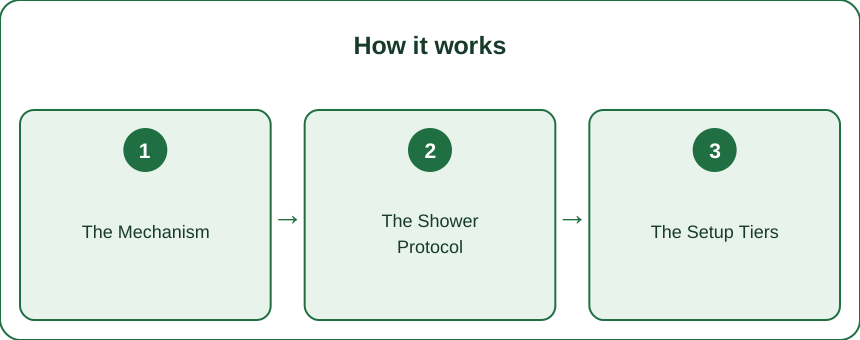
The Mechanism
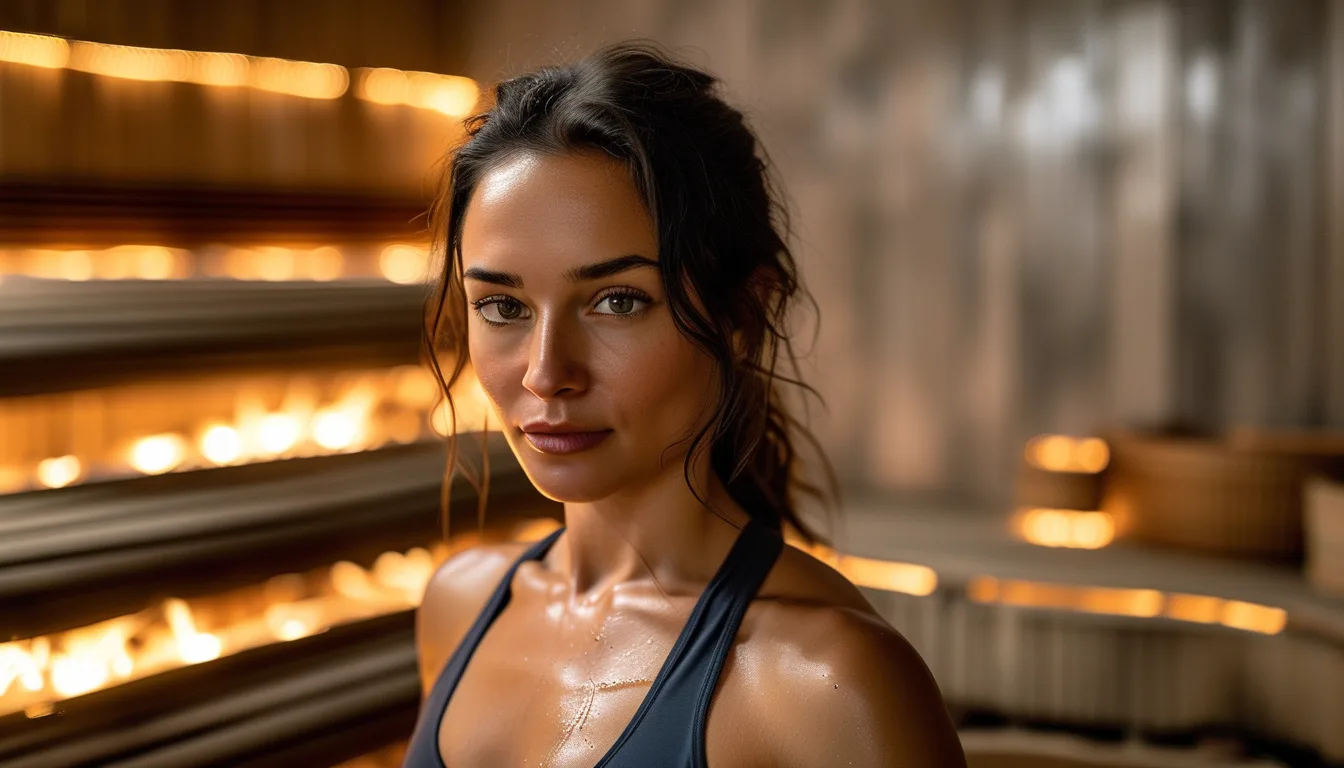
What alternation does: the vascular workout (heat dilates vessels, cold constricts them — the alternation pumps blood through tissues like a second circulation; the ‘vascular gymnastics’ framing that’s roughly accurate), the recovery hypothesis (the pumping may assist metabolic clearance post-exercise — the athlete tradition with modest-but-real research support; the perceived-recovery effects are the most consistent finding), the alertness effect (the cold phases trigger the noradrenaline wake-up that cold-exposure fans chase — the contrast version delivers it in gentler doses), and the honest sizing (contrast therapy is a pleasant, plausibly-useful recovery tool — the sleep-food-movement recovery hierarchy stands above it; the spa menu’s claims exceed the journals’).
The Shower Protocol
The home-standard version: the structure (3-4 rounds of hot-to-cold — 2-3 minutes comfortably hot, then 30-60 seconds cold; ending on cold for the alertness finish or hot for the evening wind-down; the end-temperature choice is the protocol’s one real decision), the cold-dose calibration (cold-but-bearable — the gasping-cold plunge temperatures aren’t required; the cool-to-cold range delivers the vessel response; the 30-day cold-shower chapter’s ramp wisdom applies), the timing applications (post-workout as the recovery slot, morning as the wake-up stack’s optional finisher — the evening cold finish being the one placement that fights sleep), and the breath pairing (the extended exhales through the cold phases — the cold tolerance that’s mostly breath control; the protocol doubling as breathwork practice).
The Setup Tiers
Beyond the shower: the shower-only tier (the complete version above — zero equipment, the answer for most), the bucket-and-basin upgrade (the cold-water forearm-or-foot soaks alternated with warm — the targeted version for pumped forearms and standing-job feet; the climber-and-server recovery trick), the bath-plus-shower combination (the warm bath with cold-shower interludes — the home spa-circuit for the committed), and the honest skip-list (the home ice-bath and cold-plunge tubs — legitimate purchases for the devoted cold-exposure practitioner, unnecessary for contrast benefits; the shower delivered the mechanism already; the equipment tier is enthusiasm, not requirement).
The Cautions and the Fit
The fine print: the cardiovascular respect (the alternation is a real circulatory stimulus — the heart-condition, blood-pressure and pregnancy populations get the doctor conversation before the cold phases; the gentle-contrast version exists for the cleared-but-cautious), the timing note (contrast post-STRENGTH-training carries the same adaptation-blunting question as cold plunges — the recreational exerciser needn’t care, the dedicated muscle-builder times it away from lifting; the DOMS chapter’s cold honesty), the who-loves-it map (the recovery-day ritual seekers, the shower-routine upgraders, the alertness chasers — the practice that costs nothing to trial), and the enjoyment clause (contrast showers feel GOOD in a way research can’t fully capture — the invigorated-and-calm after-state that keeps practitioners practicing; the benefit that needs no journal). Hot, cold, repeat: the spa circuit, plumbed in.
Three rounds hot-to-cold, end cold for mornings and hot for evenings, breathe through the cold, shower is the whole setup. Contrast therapy is vascular gymnastics at home — pleasant, plausible, free.
Keep Reading
This article is for general informational purposes only and is not medical advice. Always consult a qualified health professional for guidance specific to you.