Cold Plunge vs. Just a Cold Shower: Is the Extra Cost and Setup Actually Worth It?
Quick Answer: A cold plunge (typically 39-55°F, full-body immersion) triggers a stronger, more consistent physiological response than a cold shower, mainly because water conducts cold far more efficiently than air and covers the whole body evenly. A cold shower still delivers real benefits — just a smaller, less consistent dose.
Before spending hundreds on a plunge tub, it’s worth knowing exactly what you’d be upgrading from a free cold shower, and whether that upgrade matches what you’re actually after.

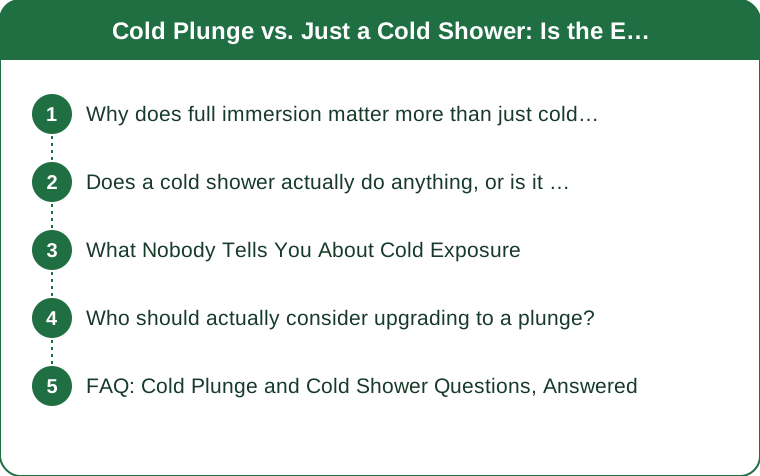
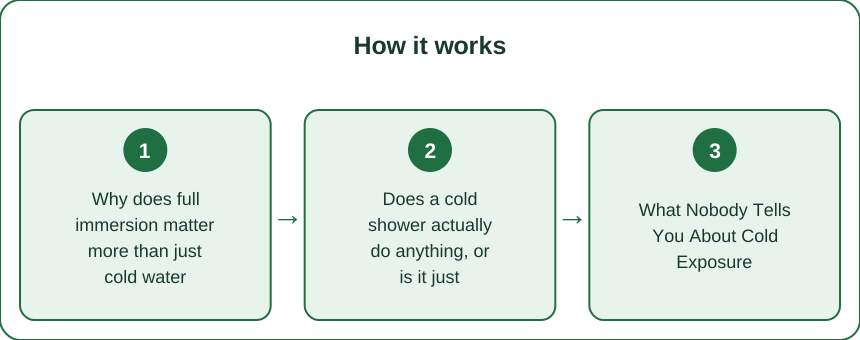
Why does full immersion matter more than just cold water hitting your skin?
Water conducts heat away from the body roughly 25 times faster than air at the same temperature, and a shower only cold-exposes the part of your body directly under the stream at any moment — a plunge exposes the entire body simultaneously and consistently.
This is why plunge protocols can use warmer water (50s°F) for a shorter time and still trigger a stronger response than an even colder shower run for the same duration.
Does a cold shower actually do anything, or is it just uncomfortable?
It does something real — a cold shower still triggers a norepinephrine and alertness response, just a smaller and less consistent one than full immersion, since shower temperature and coverage vary by second as you move.
For general alertness and mood benefits, a cold shower gets you a meaningful portion of the effect for zero cost — the gap widens more for people chasing the specific recovery or inflammation benefits studied in plunge research.

What Nobody Tells You About Cold Exposure
Duration matters less than most marketing suggests. Both plunge and shower research generally shows 2-3 minutes is enough to trigger the alertness and mood response most people are after — longer isn’t proportionally better and mostly just adds discomfort.
And consistency beats intensity — a daily 90-second cold shower likely does more for you over a month than one dramatic weekly plunge session, simply from the compounding effect of regular exposure.
Who should actually consider upgrading to a plunge?
If you’re specifically chasing exercise recovery benefits — reduced perceived muscle soreness after intense training — the more consistent, deeper cold of a plunge has better support in research than a shower can reliably replicate.
For general wellness, mood, and morning alertness, most people get most of the benefit from a disciplined cold shower habit and don’t need the added cost or space commitment of a plunge setup.
FAQ: Cold Plunge and Cold Shower Questions, Answered
Is there a risk to cold exposure I should know about?
Yes — anyone with cardiovascular conditions should check with a doctor first, since cold immersion causes a real spike in heart rate and blood pressure. This is general information, not medical advice.
How cold does a shower need to be to count?
Uncomfortably cold, generally below 60°F — most people achieve this by just turning the shower fully to cold at the end of a normal shower.
Can I build up to a plunge by starting with cold showers?
Yes, this is a common and sensible progression — cold showers are a lower-intensity way to build tolerance before trying full immersion.
TL;DR:
- Full immersion beats a shower because water conducts cold far faster and more evenly than air
- A cold shower still delivers a real, smaller version of the alertness response
- 2-3 minutes is the effective range for either — longer isn’t proportionally better
- A plunge is worth it mainly for serious exercise recovery goals, not general wellness
Start with cold showers before assuming you need a plunge tub — for most goals, the free version gets you most of the way there.
Keep Reading
This article is for general informational purposes only and is not medical advice. Always consult a qualified health professional for guidance specific to you.