Cold Plunge: The Complete Path From First Dip to a Sustainable Habit
Quick Answer: Start at 55-60°F for 1-2 minutes, focus entirely on slow exhales for the first 30 seconds, and build duration by 30 seconds every week or two. Consistency (3x/week) matters more than extreme temperature or long duration — most of the benefit shows up well before the 3-minute mark most people chase too soon.
Everyone’s first cold plunge looks the same: gasping, tensed shoulders, a voice in your head asking why you’re doing this. That reaction is normal and, more importantly, trainable — here’s the realistic path from that first shock to a habit you actually keep.

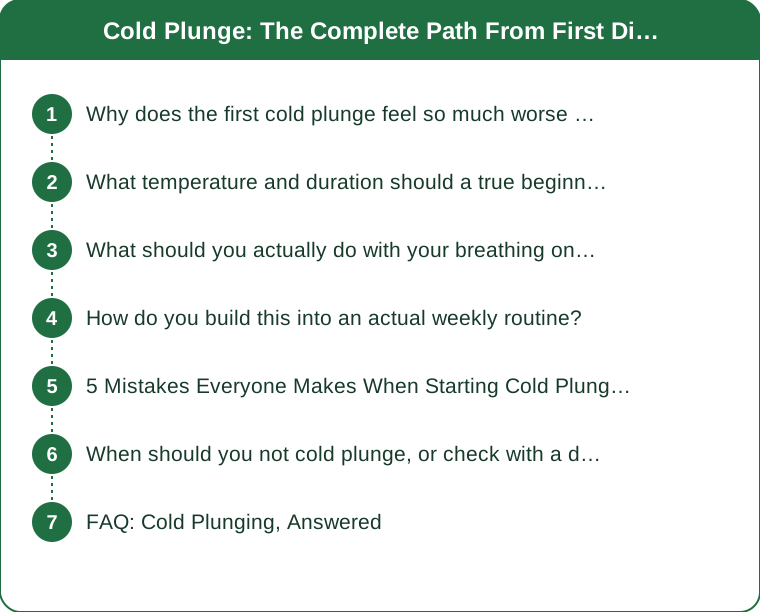
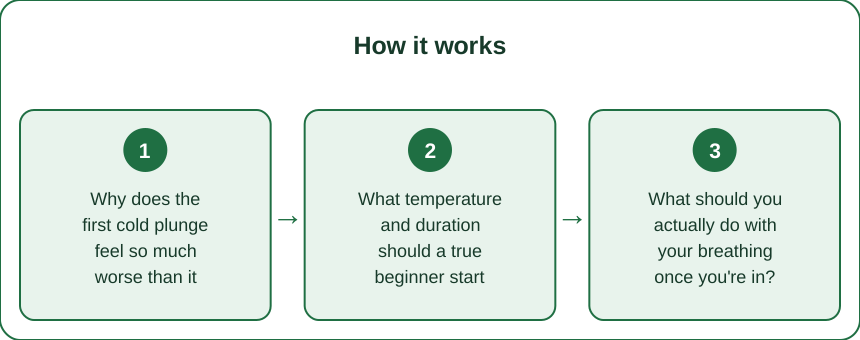
Why does the first cold plunge feel so much worse than it should?
Cold water triggers the cold shock response — an involuntary gasp reflex and spike in heart rate and blood pressure that’s strongest in your first few exposures. This isn’t a sign you’re doing it wrong; it’s your nervous system’s default reaction to sudden cold, and it blunts noticeably within your first 4-6 sessions as your body adapts.
The skill you’re actually building in week one isn’t cold tolerance — it’s breath control under stress. Everything else follows from that.
What temperature and duration should a true beginner start with?
Start at 55-60°F (13-16°C) for just 60-90 seconds. This is cold enough to trigger real adaptation without overwhelming your nervous system on day one.
Add roughly 30 seconds every 1-2 weeks, and let temperature drop only after duration feels manageable — chasing both harder and colder at the same time is the single most common reason beginners quit within the first two weeks.
What should you actually do with your breathing once you’re in?
The first 20-30 seconds are the hardest — this is when the gasp reflex peaks. Focus entirely on long, slow exhales, roughly twice as long as your inhales. Fighting the urge to gasp by controlling exhale length works better than trying to simply ‘tough it out.’
Once you’re past the first 30 seconds, most people find the sensation shifts from panic to a strange, manageable numbness — that shift is your signal that the hardest part is behind you for this session.

How do you build this into an actual weekly routine?
3 sessions a week is the sweet spot for most people — enough for consistent adaptation without it becoming a daily grind that’s easy to abandon. Morning sessions tend to stick better than evening ones because cold exposure can be mildly stimulating and disrupt sleep if done too close to bedtime.
Pair it with something you’re already doing (right after a shower, right before your morning coffee) rather than treating it as a separate standalone task — habit stacking is what actually makes this last past month one.
5 Mistakes Everyone Makes When Starting Cold Plunging
1. Going too cold, too soon — chasing ice-bath temperatures in week one, guaranteeing a bad first experience.
2. Holding their breath instead of exhaling slowly — this spikes panic rather than managing it.
3. Plunging right after intense strength training — some research suggests immediate post-strength cold exposure may blunt muscle-building adaptations; save cold plunges for separate sessions or cardio days if hypertrophy is a goal.
4. Quitting after one bad session — the first 4-6 exposures are reliably the hardest; it gets meaningfully easier, not harder.
5. Ignoring the exit — standing around cold and wet afterward undoes a lot of the benefit; a warm layer and movement immediately after matters.
When should you not cold plunge, or check with a doctor first?
Cold water immersion raises heart rate and blood pressure sharply, so it’s not appropriate for everyone. If you have heart conditions, uncontrolled high blood pressure, or are pregnant, check with a doctor before starting — this isn’t a routine caveat, it’s a genuine safety consideration given the cardiovascular response involved.
Also never plunge completely alone in very cold water, especially in the first few weeks — the gasp reflex and temporary breath-holding difficulty carry real drowning risk in a full-immersion setting.
FAQ: Cold Plunging, Answered
How cold does the water need to be to get benefits?
Most studied benefits appear in the 50-59°F range — colder isn’t automatically better, and very cold water mainly adds risk for beginners without proportional extra benefit.
Can I cold plunge every day?
You can, but 3x/week gets most of the adaptation benefit with far less disruption to training recovery and daily schedule — daily isn’t necessary for most goals.
Why did cold plunging stop feeling as intense after a few weeks?
That’s genuine physiological adaptation, not you imagining it — your body’s cold shock response measurably blunts with repeated exposure over several weeks.
TL;DR:
- Start at 55-60°F for 60-90 seconds; add 30 seconds every 1-2 weeks
- The first 30 seconds are hardest — slow exhales beat holding your breath
- 3x/week beats daily for sustainable adaptation and recovery
- Check with a doctor first if you have heart or blood pressure conditions, or are pregnant
This is general information, not medical advice — the goal isn’t surviving one brutal plunge, it’s building a habit that’s still running in month three.
Keep Reading
This article is for general informational purposes only and is not medical advice. Always consult a qualified health professional for guidance specific to you.